
February 25, 2025
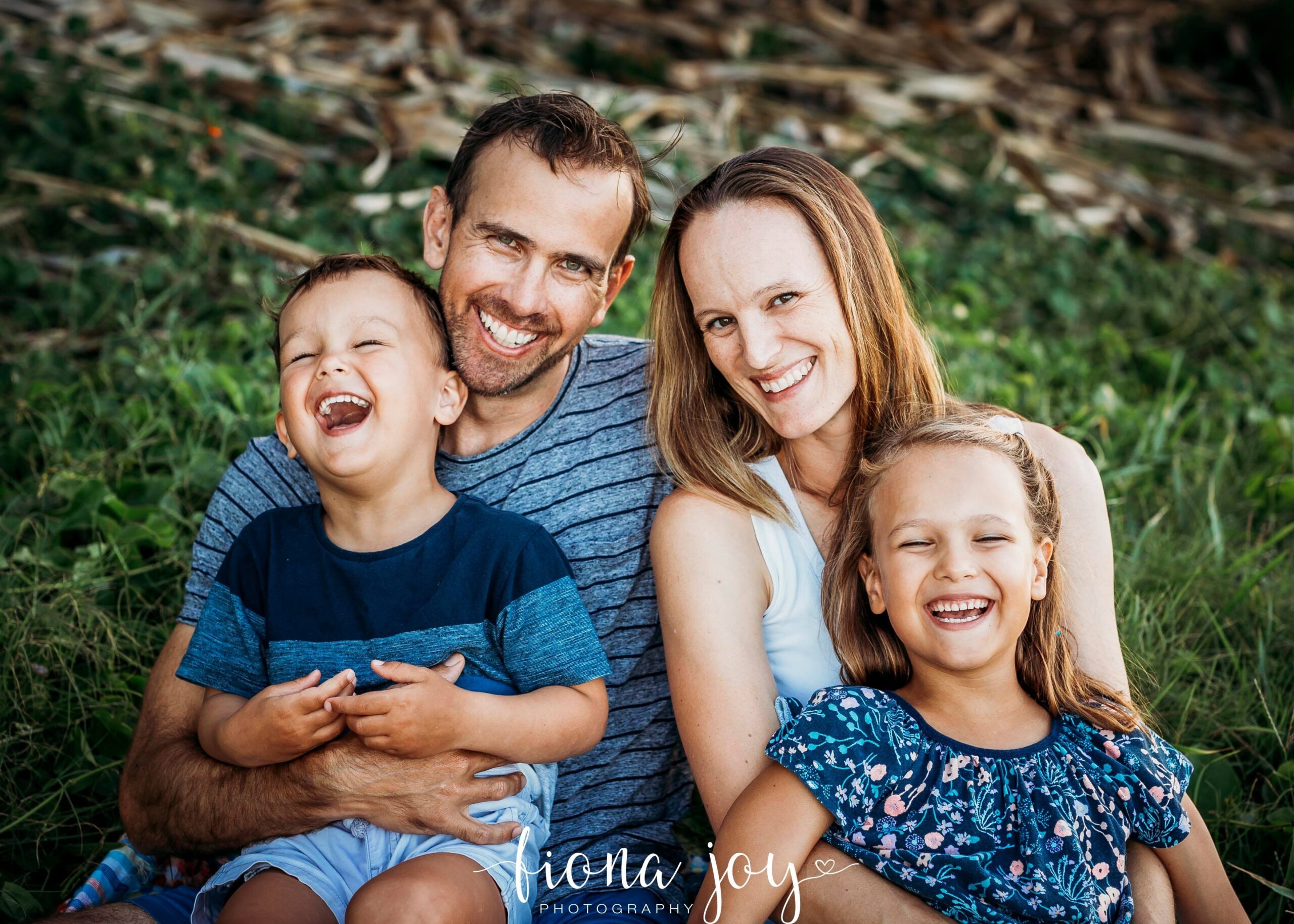
Image courtesy of Fiona Joy photography
Race and culture can be sensitive topics.
But staying silent about culture – or pretending we are all the same – can cause confusion for children.
Lotten Ten Hacken is an experienced teacher and librarian who says picture books are important for education.
Previously, she shared advice for exploring culture and diversity. Here, she explores the tricky topics of race, difference and reconciliation for parents and children.
Thanks Lotte for sharing more of your knowledge with us.
It would be great to hear about how you’ve come to focus on children’s books and social issues.
What has led you to this point and influenced your journey?
I think my obsession with picture books started as a young child. I especially loved realistic stories that I could relate to and imagine being a part of. That’s not so common with children. Often they like things that are magical and fantastical.
When I was going through university to become a teacher, I was very lucky and had the best job ever: I worked in a bookshop!
No one else in the team was really that interested in children’s books so I was asked to write the reviews for all the children’s books that came in.
It forced me to look a little bit deeper into those books, and soon I was seen as the expert of the children’s book section. I knew then I was destined to work in children’s books forever.
Then I went on to become a primary school teacher and worked in the classroom for ten years or so. I realised how powerful picture books can be for teaching across all curriculum areas. And with all year levels as well, even in the upper range of primary school.
So I went on to get a Masters of Education in Teacher Librarianship. All the lecturers and fellow students were very inspiring.
What makes you so interested in intercultural understanding, as you call it?
When I was working as a classroom teacher I became what they call a ‘team leader’, which means I was in charge of a group of teachers in a year level. They would sometimes say, ‘I don’t want to teach that’ or ‘I don’t want to talk about that’ when it came to Aboriginal culture, or any non-white culture really.
I remember one particular year it was Sorry Day, or maybe Reconciliation Week. It wasn’t that they didn’t want to teach about it, they were just really scared of saying the wrong thing or they were worried about parents’ reactions.
I said, ‘But you could just read the kids some great books and then talk about them. Then you’re not you saying it. It’s the book.’
So I created planning for those situations, I helped pick the books and it just worked beautifully. They felt so much more comfortable addressing those topics that they previously didn’t want to really venture into.
So that’s where it began.
In the classroom, it’s so amazing how capable students are of coming up with really important questions. And it’s so important for teachers to be able to say they don’t actually have the answers.
Just understanding how complex it is; that’s a massive step for intercultural understanding, in my opinion.
So it’s okay for teachers not to have all the answers when it comes to culture and race.
Is it okay for parents to not have the answers, too?
Absolutely.
As a parent myself, I have questions from my own children about racism and I’m like, ‘It’s really difficult and there is no simple solution’. But just knowing it’s difficult and complex is already a step in the right direction.
As a parent, being open-minded to ask questions and explore things further is so important, I think.
Your research has demonstrated how powerful picture books can be when it comes to culture and race.
Can you tell us more about that?
It’s important to say that my research was done with almost all white or Anglo-Celtic background children – and I deliberately wanted to do that because in Australia, although we are seen as a multicultural society there are many, many areas in many cities where the schools are predominantly white and lots of those kids don’t have much experience with cultural difference at all.
So, picture books about different cultures are really a way to help them see this other part of the world that’s going to be part of their adult world.
In my research, the students were looking at what it means to be Australian. So it was about identity, really. I made sure the texts that were used covered various aspects of being Australian. I used six different picture books from a range of different cultural backgrounds.
At the end of the project, all of the students had a far greater understanding of how complex the notion of identity is, and what being Australian might mean. Or being any other nationality, really.
It’s interesting because the children probably had less answers by the end, which is sort of what I was getting at with them: that their experience of being Australian might be very different to someone else’s experience.
It’s kind of tricky and a bit controversial, but I strongly believe that recognising that everyone is not treated equally is such an important part of developing intercultural understanding. Talking about picture books definitely helped have a natural conversation about that, and they all came to that realisation by the end.
It’s really powerful for children to understand that what you look like will probably influence the way you are treated.
In talking with children about culture and race, is there anything you think parents should avoid?
I am a parent myself, and I don’t want to sound like I am telling parents what to do.
But on the other hand, there is a big body of research that says not talking about the issue of racism at all is known as ‘silencing’. It can sometimes, not meaning to, perpetuate a colour-blind ideology about culture and race.
It’s definitely what I used to do. As a parent of young children, I can remember saying ‘we’re all equal’ and ‘everyone’s the same’.
Yes, that’s what we want. But it’s not actually the reality.
We tend to highlight the similarities between people and say ‘we’re all the same’ and ‘we all smile in the same language’, and that is all beautiful and very well-meaning.
But we have to be careful not to minimise the potential differences in our life experiences. Minimising the differences is not helping anti-racism.
I have the same problem that most parents and teachers do, which is that we want children to see everyone as equal, and that’s how it definitely should be…but it is not how it really is.
It’s really important for them to know that, at the moment, this isn’t the reality. What people look like and where their families come from and things like that do make a difference to their actual life experience, and the opportunities available to them.
Do you think children’s books can help children and parents feel positive about culture and race?
Thankfully, children’s books generally have happy endings, which is what we need as humans to keep us hopeful and going forward!
It’s important to not only choose books that are joyful, because books with realistic challenges are the ones where you’re going to have opportunities for deeper conversations.
But the happy ending still leaves you with hope. And hopefully some ideas of what you can do as a parent and as a child to try and help that particular situation.
I think picture books are the perfect avenue for that because they have that formula of a happy, hopeful ending.
Thanks again Lotte!
Copyright ©2024 Matebiz. All Rights Reserved